The Lost Eclipse Film
ಕಾಣೆಯಾದ ಸೂರ್ಯಗ್ರಹಣದ ಫಿಲ್ಮ್
Buxar, on the Ganges, 22 January 1898. A camera filmed a total eclipse of the Sun. When the box reached England, the film was gone. What can the sky tell us about a film no one has seen?
ಗಂಗಾ ತೀರದ ಬಕ್ಸರ್, 1898ರ ಜನವರಿ 22. ಒಂದು ಕ್ಯಾಮೆರಾ ಖಗ್ರಾಸ ಸೂರ್ಯಗ್ರಹಣವನ್ನು ಚಿತ್ರೀಕರಿಸಿತು. ಪೆಟ್ಟಿಗೆ ಇಂಗ್ಲೆಂಡ್ ತಲುಪಿದಾಗ ಫಿಲ್ಮ್ ಇರಲಿಲ್ಲ. ಯಾರೂ ನೋಡದ ಫಿಲ್ಮ್ ಬಗ್ಗೆ ಆಕಾಶ ಏನು ಹೇಳುತ್ತದೆ?
Chapters
ಅಧ್ಯಾಯಗಳು
The story
ಕಥೆ
On 22 January 1898 a team of the British Astronomical Association camped at Buxar, on the Ganges, with a camera built by Nevil Maskelyne to film a total eclipse of the Sun. The Rev. John Bacon worked it, five or six pictures a second, to see whether the Sun's corona changes during totality.
The film worked. It was packed that night to be developed in England. Maskelyne met the case at Tilbury himself: the small box was there, the film was not. A reward of £50 brought no reply, and the film has never been found. Two years later Maskelyne filmed the eclipse of 1900 in America, and that film survives.
We recomputed the eclipse for their camp and checked their own records against the sky. Bacon counted 92 seconds of totality; his daughter's book says 96; the calculation gives about 99. Their count was right within a few seconds. The film is lost. The sky it recorded is not.
1898ರ ಜನವರಿ 22ರಂದು ಬ್ರಿಟಿಷ್ ಖಗೋಳಶಾಸ್ತ್ರ ಸಂಘದ ತಂಡವೊಂದು ಗಂಗಾ ನದಿಯ ತೀರದಲ್ಲಿರುವ ಬಕ್ಸರ್ನಲ್ಲಿ ಶಿಬಿರ ಹಾಕಿತ್ತು. ಖಗ್ರಾಸ ಸೂರ್ಯಗ್ರಹಣವನ್ನು ಚಿತ್ರೀಕರಿಸಲು ನೆವಿಲ್ ಮಾಸ್ಕಲೀನ್ ತಯಾರಿಸಿದ್ದ ವಿಶೇಷ ಕ್ಯಾಮೆರಾ ಅವರ ಬಳಿಯಿತ್ತು. ರೆವರೆಂಡ್ ಜಾನ್ ಬೇಕನ್ ಆ ಕ್ಯಾಮೆರಾವನ್ನು ನಿರ್ವಹಿಸಿದರು. ಖಗ್ರಾಸದ ಸಮಯದಲ್ಲಿ ಸೂರ್ಯನ ಕರೋನಾದಲ್ಲಿ ಬದಲಾವಣೆ ಆಗುತ್ತದೆಯೇ ಎಂದು ತಿಳಿಯಲು ಪ್ರತಿ ಸೆಕೆಂಡಿಗೆ ಐದಾರು ಚಿತ್ರಗಳನ್ನು ತೆಗೆದರು.
ಚಿತ್ರೀಕರಣ ಯಶಸ್ವಿಯಾಯಿತು. ಅಂದು ರಾತ್ರಿ ಫಿಲ್ಮ್ ಅನ್ನು ಇಂಗ್ಲೆಂಡ್ಗೆ ಕಳುಹಿಸಿ, ಅಲ್ಲಿ ಡೆವಲಪ್ ಮಾಡಲು ಸುರಕ್ಷಿತವಾಗಿ ಪ್ಯಾಕ್ ಮಾಡಲಾಯಿತು. ಆದರೆ ಆ ಪೆಟ್ಟಿಗೆ ಇಂಗ್ಲೆಂಡ್ ತಲುಪಿದಾಗ ಅದರೊಳಗೆ ಫಿಲ್ಮ್ ಇರಲಿಲ್ಲ. ಫಿಲ್ಮ್ ಹುಡುಕಿಕೊಟ್ಟವರಿಗೆ £50 ಬಹುಮಾನ ನೀಡುವುದಾಗಿ ಘೋಷಿಸಿದರೂ ಯಾವುದೇ ಸುಳಿವು ಸಿಗಲಿಲ್ಲ. ಆ ಫಿಲ್ಮ್ ಇಂದಿಗೂ ಪತ್ತೆಯಾಗಿಲ್ಲ. ಎರಡು ವರ್ಷಗಳ ನಂತರ, ಮಾಸ್ಕಲೀನ್ 1900ರಲ್ಲಿ ಅಮೆರಿಕದಲ್ಲಿ ನಡೆದ ಸೂರ್ಯಗ್ರಹಣವನ್ನು ಚಿತ್ರೀಕರಿಸಿದರು. ಆ ಫಿಲ್ಮ್ ಇಂದಿಗೂ ಸುರಕ್ಷಿತವಾಗಿದೆ.
ಅವರು ಶಿಬಿರ ಹಾಕಿದ್ದ ಸ್ಥಳದಲ್ಲಿ ಮತ್ತೆ ಗ್ರಹಣದ ಲೆಕ್ಕಾಚಾರ ಮಾಡಿದೆವು. ಜೊತೆಗೆ, ಅವರು ಬರೆದ ದಾಖಲೆಗಳನ್ನು ನಿಜವಾದ ಆಕಾಶದ ಸ್ಥಿತಿಯೊಂದಿಗೆ ಹೋಲಿಸಿದೆವು. ಜಾನ್ ಬೇಕನ್ ಖಗ್ರಾಸದ ಅವಧಿಯನ್ನು 92 ಸೆಕೆಂಡುಗಳೆಂದು ದಾಖಲಿಸಿದ್ದರು. ಅವರ ಮಗಳ ಪುಸ್ತಕದಲ್ಲಿ ಅದು 96 ಸೆಕೆಂಡುಗಳೆಂದು ಉಲ್ಲೇಖಿಸಲಾಗಿದೆ. ಆದರೆ ನಮ್ಮ ಲೆಕ್ಕಾಚಾರದ ಪ್ರಕಾರ ಅದರ ಅವಧಿ ಸುಮಾರು 99 ಸೆಕೆಂಡುಗಳು. ಅಂದರೆ ಕೆಲವೇ ಸೆಕೆಂಡುಗಳ ವ್ಯತ್ಯಾಸವಿದೆ. ಅವರ ಲೆಕ್ಕಾಚಾರ ಸರಿಯಾಗಿತ್ತು ಎಂಬುದು ಇದರಿಂದ ತಿಳಿಯುತ್ತದೆ. ಫಿಲ್ಮ್ ಕಳೆದುಹೋಗಿರಬಹುದು. ಆದರೆ ಅದು ಸೆರೆಹಿಡಿದ ಆಕಾಶ ಮಾತ್ರ ಕಳೆದುಹೋಗಿಲ್ಲ.
What we checked
ನಕ್ಷತ್ರಗಣಿತದ ಲೆಕ್ಕಾಚಾರದಿಂದ ಪರಿಶೀಲನೆ
- The eclipse
- ಗ್ರಹಣ
- Total eclipse of the Sun, 22 January 1898 (NASA catalogue no. 09275) ✓
- ಖಗ್ರಾಸ ಸೂರ್ಯಗ್ರಹಣ, 1898ರ ಜನವರಿ 22 (ನಾಸಾ ಪಟ್ಟಿ ಸಂಖ್ಯೆ 09275) ✓
- The camp
- ಶಿಬಿರ
- Buxar, 25°33′ N, 84°0′ E (the 1899 report). Almost on the centre line of a path about 96 km wide ✓
- ಬಕ್ಸರ್, 25°33′ ಉ, 84°0′ ಪೂ (1899ರ ವರದಿ). ಸುಮಾರು 96 ಕಿ.ಮೀ. ಅಗಲದ ಖಗ್ರಾಸ ಪಟ್ಟಿಯ ಬಹುತೇಕ ಮಧ್ಯರೇಖೆಯ ಮೇಲೆ ✓
- The shadow
- ನೆರಳು
- In from the Arabian Sea, across India in about 30 minutes
- ಅರಬ್ಬೀ ಸಮುದ್ರದ ಕಡೆಯಿಂದ ಬಂದು ಸುಮಾರು 30 ನಿಮಿಷಗಳಲ್ಲಿ ಭಾರತವನ್ನು ದಾಟಿತು
- At the camp
- ಶಿಬಿರದಲ್ಲಿ
- Totality from 13:57 local mean time, with the Sun 38° above the horizon
- ಸ್ಥಳೀಯ ಸರಾಸರಿ ಸಮಯ 13:57ರಿಂದ ಖಗ್ರಾಸ; ಸೂರ್ಯ ದಿಗಂತದಿಂದ 38° ಎತ್ತರದಲ್ಲಿ
- How long?
- ಎಷ್ಟು ಹೊತ್ತು?
- John Bacon's report: 92 seconds. His daughter Gertrude's book: 96 seconds. Computed for the camp: about 99 seconds. Within a few seconds
- ಜಾನ್ ಬೇಕನ್ ವರದಿ: 92 ಸೆಕೆಂಡು. ಅವರ ಮಗಳು ಗರ್ಟ್ರೂಡ್ ಪುಸ್ತಕ: 96 ಸೆಕೆಂಡು. ಶಿಬಿರಕ್ಕೆ ಲೆಕ್ಕ ಹಾಕಿದ ಅವಧಿ: ಸುಮಾರು 99 ಸೆಕೆಂಡು. ಕೆಲವೇ ಸೆಕೆಂಡುಗಳ ವ್ಯತ್ಯಾಸ
- Why shorter?
- ಏಕೆ ಕಡಿಮೆ?
- The Moon's edge is rugged: sunlight comes back through its valleys a little before the smooth-edge calculation says totality ends.
- ಚಂದ್ರನ ಅಂಚು ಏರುತಗ್ಗಿನದು: ನಯವಾದ ಅಂಚಿನ ಲೆಕ್ಕಾಚಾರ ಹೇಳುವುದಕ್ಕಿಂತ ಸ್ವಲ್ಪ ಮೊದಲೇ ಅದರ ಕಣಿವೆಗಳ ಮೂಲಕ ಸೂರ್ಯನ ಬೆಳಕು ಹೊರಬರುತ್ತದೆ.
Times are local mean time at the camp. Our calculation (the engine behind this site) gives totality from 08:21:34 to 08:23:14 UT, 99.4 seconds; a second method, from the sizes of the two discs, gives 99.4 to 101.4 seconds depending on the Moon's radius. NASA's catalogue gives the path width as 96 km and the greatest eclipse near 9° N, 64° E, over the Arabian Sea.
ಇಲ್ಲಿ ನೀಡಿರುವ ಸಮಯಗಳು ಶಿಬಿರದ ಸ್ಥಳೀಯ ಸರಾಸರಿ ಸಮಯಕ್ಕೆ ಅನುಗುಣವಾಗಿವೆ. ನಮ್ಮ ಲೆಕ್ಕಾಚಾರದ ಪ್ರಕಾರ (ಈ ತಾಣದ ಎಂಜಿನ್ ಬಳಸಿ) ಖಗ್ರಾಸವು 08:21:34ರಿಂದ 08:23:14 UTವರೆಗೆ ಇತ್ತು. ಇದರ ಒಟ್ಟು ಅವಧಿ 99.4 ಸೆಕೆಂಡುಗಳು. ಎರಡು ಬಿಂಬಗಳ ಗಾತ್ರವನ್ನು ಆಧರಿಸಿ ಮಾಡಿದ ಮತ್ತೊಂದು ಲೆಕ್ಕಾಚಾರದಲ್ಲಿ, ಚಂದ್ರನ ತ್ರಿಜ್ಯವನ್ನು ಅವಲಂಬಿಸಿ ಈ ಅವಧಿ 99.4ರಿಂದ 101.4 ಸೆಕೆಂಡುಗಳವರೆಗೆ ಬರುತ್ತದೆ. ನಾಸಾದ ಪಟ್ಟಿಯ ಪ್ರಕಾರ ಖಗ್ರಾಸದ ಪಥದ ಅಗಲ 96 ಕಿ.ಮೀ. ಆಗಿತ್ತು. ಗರಿಷ್ಠ ಗ್ರಹಣವು ಅರಬ್ಬೀ ಸಮುದ್ರದ ಮೇಲೆ, ಸುಮಾರು 9° ಉತ್ತರ ಅಕ್ಷಾಂಶ ಮತ್ತು 64° ಪೂರ್ವ ರೇಖಾಂಶದಲ್ಲಿ ಸಂಭವಿಸಿತು.
Open 22 January 1898 on our Panchanga page and choose Bengaluru: the solar eclipse is there, but from Bengaluru it was partial, with about 81% of the Sun covered. Totality fell only on a strip about 96 km wide. Even Varanasi, about 100 km west of the camp, was just outside it. That is why the team went to Buxar.
Open 22 January 1898 →ನಮ್ಮ ಪಂಚಾಂಗ ಪುಟದಲ್ಲಿ 1898ರ ಜನವರಿ 22 ತೆರೆದು ಬೆಂಗಳೂರು ಆರಿಸಿ: ಸೂರ್ಯಗ್ರಹಣ ಕಾಣುತ್ತದೆ; ಆದರೆ ಬೆಂಗಳೂರಿನಿಂದ ಅದು ಪಾರ್ಶ್ವ ಗ್ರಹಣ, ಸೂರ್ಯನ ಸುಮಾರು 81% ಮಾತ್ರ ಮರೆಯಾಗಿತ್ತು. ಖಗ್ರಾಸ ಕಂಡದ್ದು ಸುಮಾರು 96 ಕಿ.ಮೀ. ಅಗಲದ ಪಟ್ಟಿಯಲ್ಲಿ ಮಾತ್ರ. ಶಿಬಿರದಿಂದ ಸುಮಾರು 100 ಕಿ.ಮೀ. ಪಶ್ಚಿಮದ ವಾರಾಣಸಿ ಕೂಡ ಆ ಪಟ್ಟಿಯಿಂದ ಸ್ವಲ್ಪ ಹೊರಗಿತ್ತು. ಅದಕ್ಕೇ ತಂಡ ಬಕ್ಸರ್ಗೆ ಹೋಯಿತು.
1898ರ ಜನವರಿ 22 ತೆರೆಯಿರಿ →What the records say, and what they do not
ದಾಖಲೆಗಳು ಏನು ಹೇಳುತ್ತವೆ ಮತ್ತು ಏನು ಹೇಳುವುದಿಲ್ಲ
- 92 seconds is John Bacon's own count, in the official report of 1899, made with a metronome at the camera: "At the expiration of 92 seconds the total phase abruptly ended" (pp. 45–46).
- 96 seconds is from his daughter Gertrude Bacon's book of 1907.
- Who took the film is not known. Gertrude Bacon's book repeats a guess; it is unproven, and the film does not repeat it.
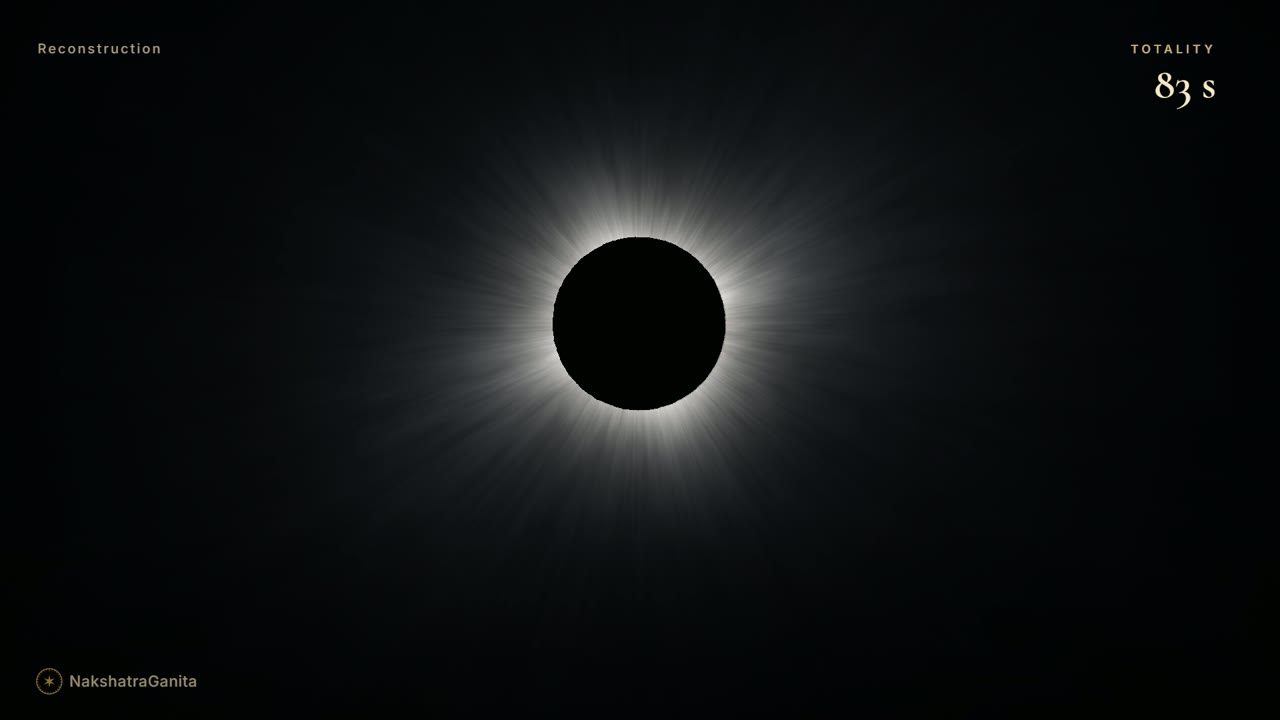
- No picture from the film survives. The corona in our film is a reconstruction; its shape follows the sketches of the corona made at Buxar that day, printed in the report.
- 92 ಸೆಕೆಂಡುಗಳು ಎಂಬುದು ಜಾನ್ ಬೇಕನ್ ಅವರೇ ದಾಖಲಿಸಿದ ಸಮಯ. ಕ್ಯಾಮೆರಾದ ಬಳಿ ಮೆಟ್ರೋನೋಮ್ ಇಟ್ಟುಕೊಂಡು ಅವರು ಈ ಸಮಯವನ್ನು ಎಣಿಸಿದ್ದರು. ಇದು 1899ರ ಅಧಿಕೃತ ವರದಿಯ 45–46ನೇ ಪುಟಗಳಲ್ಲಿದೆ.
- 96 ಸೆಕೆಂಡುಗಳು ಎಂಬುದು ಅವರ ಮಗಳು ಗರ್ಟ್ರೂಡ್ ಬೇಕನ್ ಅವರು 1907ರಲ್ಲಿ ಬರೆದ ಪುಸ್ತಕದಲ್ಲಿ ಉಲ್ಲೇಖಿಸಿರುವ ಸಮಯ.
- ಫಿಲ್ಮ್ ಅನ್ನು ಯಾರು ತೆಗೆದುಕೊಂಡರು ಎಂಬುದು ಇಂದಿಗೂ ತಿಳಿದಿಲ್ಲ. ಗರ್ಟ್ರೂಡ್ ಅವರ ಪುಸ್ತಕದಲ್ಲಿ ಈ ಬಗ್ಗೆ ಒಂದು ಊಹೆಯನ್ನು ಉಲ್ಲೇಖಿಸಲಾಗಿದೆ. ಆದರೆ ಅದಕ್ಕೆ ಯಾವುದೇ ಪುರಾವೆ ಇಲ್ಲ. ಆದ್ದರಿಂದ ಸಾಕ್ಷ್ಯಚಿತ್ರದಲ್ಲಿಯೂ ಆ ಊಹೆಯನ್ನು ಸತ್ಯವೆಂದು ಹೇಳಿಲ್ಲ.
- ಕಳೆದುಹೋದ ಫಿಲ್ಮ್ನ ಯಾವುದೇ ಚಿತ್ರವೂ ಈಗ ಲಭ್ಯವಿಲ್ಲ. ನಮ್ಮ ಸಾಕ್ಷ್ಯಚಿತ್ರದಲ್ಲಿ ತೋರಿಸಿರುವ ಸೂರ್ಯನ ಕರೋನಾ ನೈಜ ಚಿತ್ರವಲ್ಲ; ಅದು ಮರುಸೃಷ್ಟಿಸಿದ ಚಿತ್ರ. ಅದರ ಆಕಾರವನ್ನು ಅಂದು ಬಕ್ಸರ್ನಲ್ಲಿ ಬಿಡಿಸಿ, ವರದಿಯಲ್ಲಿ ಪ್ರಕಟಿಸಿದ್ದ ಕರೋನಾದ ಚಿತ್ರಗಳನ್ನು ಆಧರಿಸಿ ರೂಪಿಸಲಾಗಿದೆ.
Sources
ಮಾಹಿತಿ ಮೂಲಗಳು
ಮೂಲಗಳನ್ನು ಸಾಕ್ಷ್ಯಚಿತ್ರದಲ್ಲಿರುವಂತೆ ಇಂಗ್ಲಿಷ್ನಲ್ಲೇ ನೀಡಲಾಗಿದೆ.
- The Indian Eclipse, 1898: report of the expeditions organized by the British Astronomical Association, ed. E. W. Maunder (London, 1899). The camp's position: chapter IX table; the animatograph telescope and the metronome: chapter III, "The Expedition at Buxar" (J. M. Bacon), pp. 32–45; the 92 seconds and the shout from the Ganges: pp. 45–46. archive.org
- Gertrude Bacon, The Record of an Aeronaut: being the life of John M. Bacon (London, 1907): five or six pictures a second and the purpose of the film; the 96 seconds, the packing, Tilbury, the empty box and the £50 reward: pp. 211–214. archive.org
- The 1900 film by Maskelyne (British Astronomical Association expedition, North Carolina, 28 May 1900): restored and released by the BFI and the Royal Astronomical Society in 2019.
- NASA Five Millennium Catalog of Solar Eclipses (F. Espenak and J. Meeus), eclipse 09275: eclipse.gsfc.nasa.gov
- Our calculation: Astronomy Engine (Don Cross, MIT licence), the engine behind this site, for the camp at 25°33′ N, 84°0′ E.
Credits
ಕೃತಜ್ಞತೆ
A NakshatraGanita film. Research, calculation and animation by NakshatraGanita.
ನಕ್ಷತ್ರಗಣಿತದ ಒಂದು ಸಾಕ್ಷ್ಯಚಿತ್ರ. ಸಂಶೋಧನೆ, ಲೆಕ್ಕಾಚಾರ ಮತ್ತು ಅನಿಮೇಷನ್ – ನಕ್ಷತ್ರಗಣಿತ.
- Earth imagery: NASA (public domain). Star data: HYG database.
- The camera and the corona are reconstructions; the corona's shape follows the sketches made at Buxar that day.
- Animation built with code; every Sun and Moon position is computed.
ಭೂಮಿಯ ಚಿತ್ರಣ: ನಾಸಾ. ತಾರೆಗಳ ದತ್ತಾಂಶ: HYG database. ಕ್ಯಾಮೆರಾ ಮತ್ತು ಕರೋನಾ ಮರುರೂಪಣೆಗಳು; ಕರೋನಾದ ಆಕಾರ ಅಂದು ಬಕ್ಸರ್ನಲ್ಲಿ ಬಿಡಿಸಿದ ಚಿತ್ರಗಳನ್ನು ಅನುಸರಿಸುತ್ತದೆ. ಸೂರ್ಯ, ಚಂದ್ರರ ಪ್ರತಿಯೊಂದು ಸ್ಥಾನವೂ ಲೆಕ್ಕಾಚಾರದಿಂದ ಪಡೆದದ್ದು. ಕೋಡ್ ಮೂಲಕ ರಚಿಸಿದ ಅನಿಮೇಷನ್.